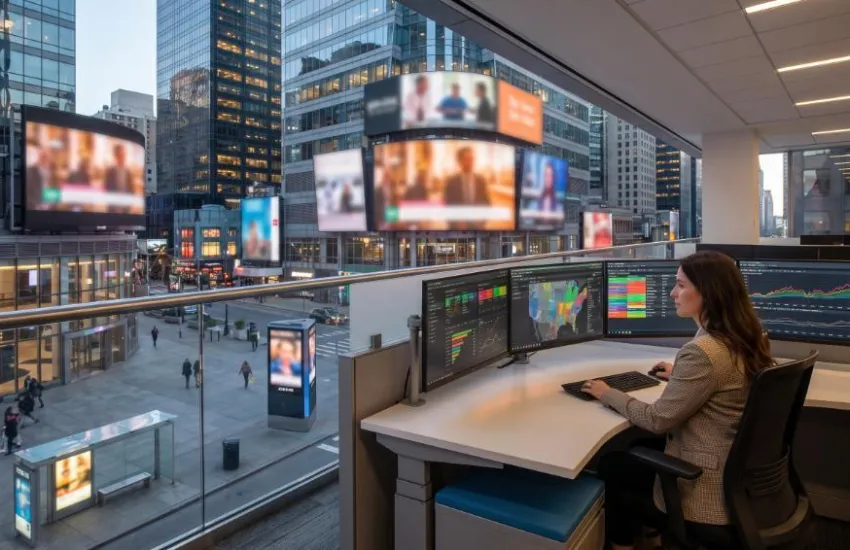
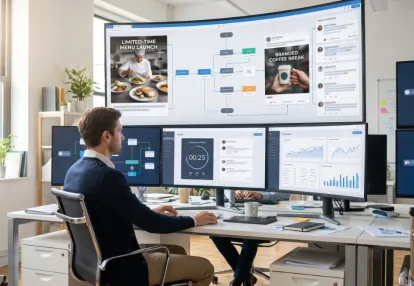
Discover how out-of-home (OOH) job listings reveal the future of performance marketing, from data-driven media sales to programmatic digital billboards. Explore how sales, operations, creative production, and real estate roles are evolving as OOH becomes a more measurable, automated, and performance-focused advertising channel.

Our spy tools monitor millions of TikTok ads from over 55+ countries. Biggest TikTok Ad Library in E-commerce and Mobile Apps!
Discover how out-of-home (OOH) hiring trends reveal emerging opportunities in digital advertising, mobile billboards, and performance marketing. Learn to identify underpriced media inventory, spot promising geographic markets, connect OOH exposure with digital campaigns, and use competitive intelligence to uncover new arbitrage opportunities.
Discover how native advertisers can transform everyday moments into memorable, high-performing campaigns through eventization. Learn to use scarcity, time-sensitive offers, contextual targeting, and always-on micro-events to engage audiences, improve campaign relevance, and uncover winning competitor strategies with Anstrex.
Discover how to turn brand-led stunts and viral marketing campaigns into high-ROI performance campaigns. Learn how to build hidden funnels with retargeting, landing pages, native ads, push ads, pop ads, and TikTok campaigns that transform brand awareness into measurable conversions and revenue.
Discover why out-of-home (OOH) advertising veterans often struggle to transition into performance marketing and how competitive ad spy tools can help bridge the skill gap. Learn how to translate brand-building experience into digital marketing strengths, master native, push, pop, and TikTok advertising, and follow a practical 30–60–90-day roadmap to become performance-ready.
Discover how big-brand cultural stunts, exclusive offers, and “world menu heists” can inspire more effective pop, push, and native ad campaigns. Learn how to use scarcity, localized creative, visual pattern interrupts, and interactive experiences to capture attention, increase engagement, and build scalable direct-response funnels.
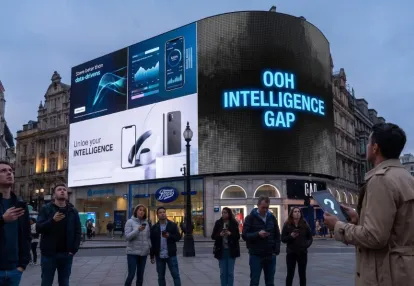
Discover why out-of-home (OOH) talent pipelines overlook competitive intelligence and how smart affiliates can capitalize on this gap. Learn how to analyze competitor activity, interpret digital auction signals, build a cost-effective intelligence stack, and turn market insights into profitable advertising opportunities.
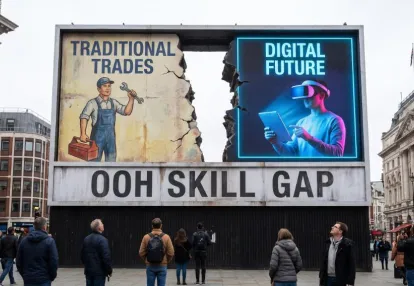
Explore why traditional OOH sales experience is no longer enough as buyers become increasingly data-driven and equipped with AI, attribution, and competitive intelligence tools. This guide outlines the new OOH competency stack, from funnel intelligence and data literacy to outcome-based selling and strategic judgment.
Discover how data-first strategists are reshaping the modern creative agency and redefining the Managing Director’s role around performance, media intelligence, and real-time decision-making. This guide explores the new MD toolstack, competitive intelligence, funnel diagnostics, and the feedback loop connecting creative intelligence with media execution.
Discover why the next-generation Managing Director is becoming an obsessed media buyer who treats advertising like an intelligence operation. This guide explores how ad spying, automation oversight, attention data, competitive intelligence, and strategic courage can reshape modern media leadership.
Discover how OOH professionals can transition into performance marketing by applying their existing strengths in audience targeting, site selection, creative strategy, negotiation, and media measurement. This guide shows how OOH talent can use ad spy tools and performance data to turn traditional media expertise into measurable digital growth.
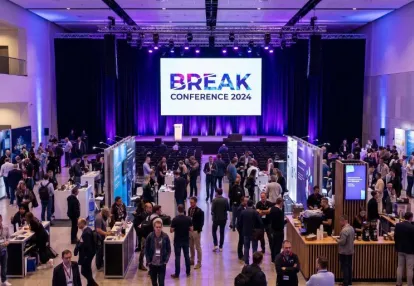
Learn how Pure Leaf’s “Break Conference” transformed a celebrity sports moment into a scalable native advertising story. This guide shows performance marketers how to turn brand storytelling into measurable Native, Push, Pop, Affiliate, and TikTok campaigns using ad spy intelligence and narrative-driven creative.
Discover why competitive intelligence is becoming a critical function in modern OOH advertising teams. This guide explores how an Ad Intelligence Strategist can turn competitor monitoring into actionable insights for creative, targeting, pricing, sales enablement, and inventory strategy.